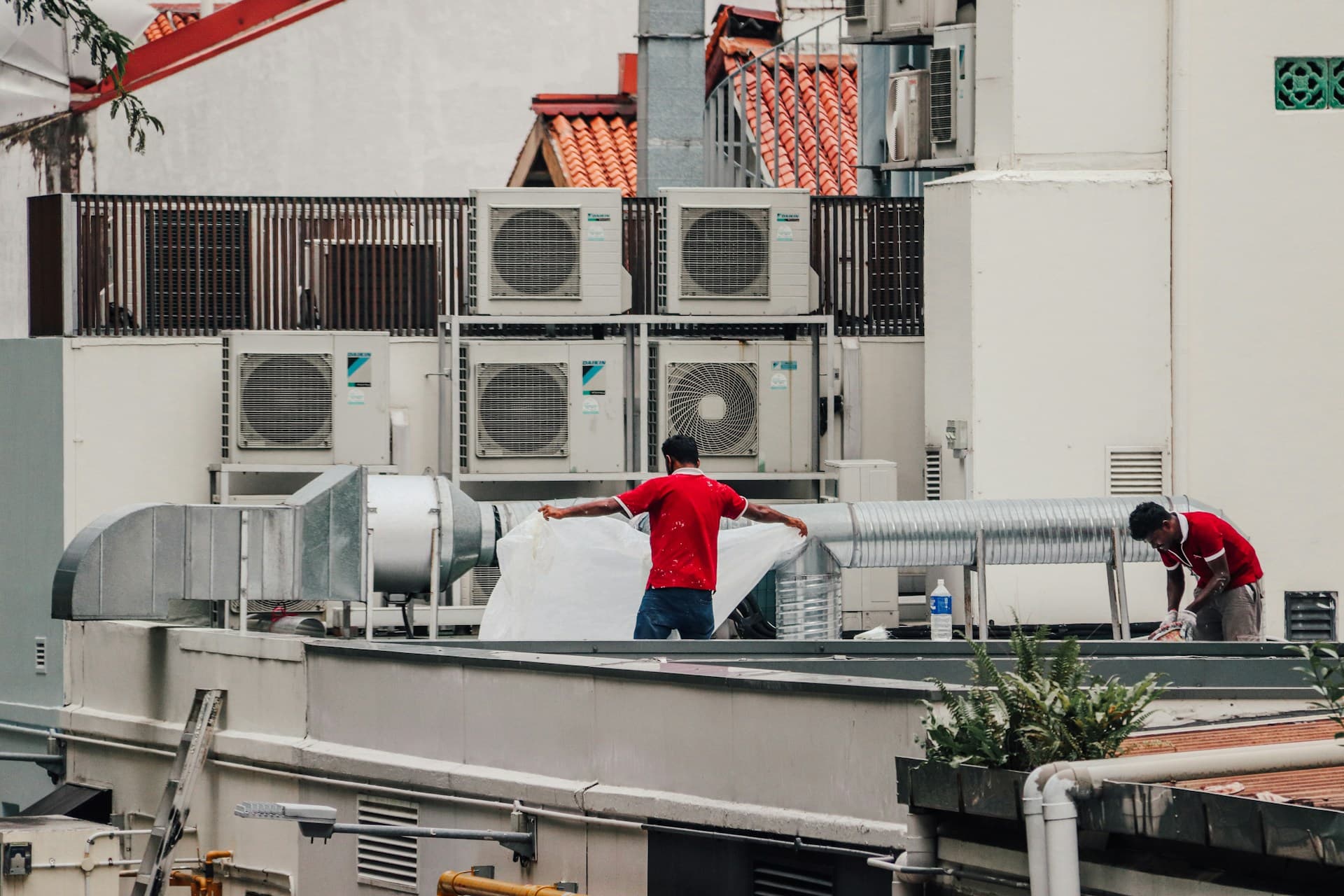
The Role of Insulation in Air Conditioning Performance: Maximizing Cooling Efficiency and Comfort
By Total Care Air Conditioning Sat Jan 17 20267 minutes

Understanding the Connection: Insulation and Air Conditioning
Insulation is often overlooked when evaluating air conditioning performance, yet it plays a pivotal role in determining how efficiently your system cools your home. A well-insulated building envelope minimizes thermal exchange, reducing the workload on your AC and leading to lower energy bills and improved comfort.“A robust thermal envelope is the silent partner in every high-performing air conditioning system.”
Key Types of Insulation for Cooling Optimization
- Fiberglass batts: Commonly used in attics and walls, offering cost-effective thermal resistance.
- Spray foam: Expands to fill gaps, providing superior air sealing and high R-value per inch.
- Rigid foam boards: Ideal for basements and exterior walls, reducing thermal bridging.
- Blown-in cellulose: Eco-friendly and effective for retrofitting existing structures.
How Poor Insulation Undermines AC Efficiency
Inadequate or deteriorated insulation allows heat to infiltrate during summer, forcing your air conditioning system to run longer cycles and use more electricity. This not only increases operational costs but also accelerates wear on your AC components, shortening system lifespan.Comparing Insulation Materials: R-Value and Performance
The R-value measures a material’s resistance to heat flow—the higher the R-value, the better the insulation. Selecting the right R-value for your climate zone is essential for maximizing your air conditioning’s effectiveness.| Material | Typical R-Value per Inch | Best Use |
| Fiberglass Batts | 2.9 – 3.8 | Attics, Walls |
| Spray Foam (Closed Cell) | 6.0 – 7.0 | Attics, Crawl Spaces |
| Rigid Foam Board | 3.6 – 8.0 | Exterior Walls, Basements |
| Blown-in Cellulose | 3.2 – 3.8 | Retrofits, Attics |
Insulation Upgrades: Signs and Solutions
Recognizing when your insulation is underperforming can save you from unnecessary AC strain and discomfort. Common indicators include uneven temperatures, excessive humidity, or high utility bills during peak cooling months. Addressing these issues with targeted upgrades can dramatically enhance your air conditioning system’s results.- Drafts or cold spots in certain rooms
- Noticeable increase in cooling costs
- Attic insulation below recommended depth
- Visible moisture or mold on insulation
Expert Tips for Integrating Insulation with AC Design
Coordinating insulation improvements with your air conditioning setup ensures optimal system sizing and efficiency. Insulation upgrades may allow you to select a smaller, more efficient AC unit, reducing both upfront and long-term costs.“Insulation isn’t just about staying warm in winter—it's a strategic investment for year-round comfort and savings.”
Frequently Asked Questions: Insulation and Air Conditioning
- How much insulation is enough for my climate zone?
- Can I add new insulation over old materials?
- Does insulation help reduce AC noise?
- What are the most cost-effective insulation upgrades for cooling?
Common Insulation Mistakes That Sabotage Cooling
Many homeowners inadvertently reduce their AC’s effectiveness by neglecting insulation details. Gaps, compression, or improper installation can all undermine performance. Avoiding these pitfalls is crucial for maintaining a consistent indoor climate.- Ignoring attic bypasses and air leaks
- Using low R-value materials in extreme climates
- Blocking soffit vents with insulation
- Failing to insulate ductwork in unconditioned spaces
Looking Ahead: Innovations in Insulation for Advanced Cooling
Emerging materials such as vacuum-insulated panels and phase-change insulation promise to revolutionize how buildings manage thermal loads. These technologies offer higher R-values in slimmer profiles and can further optimize air conditioning performance for eco-conscious homeowners.“The future of cooling lies at the intersection of smart insulation and intelligent air conditioning systems.”