The Crucial Role of Insulation in Air Conditioning Efficiency: Beyond the System Itself
By Total Care Air Conditioning Tue Dec 02 20258 minutes
Understanding the Thermal Envelope: Why Insulation Matters for Cooling
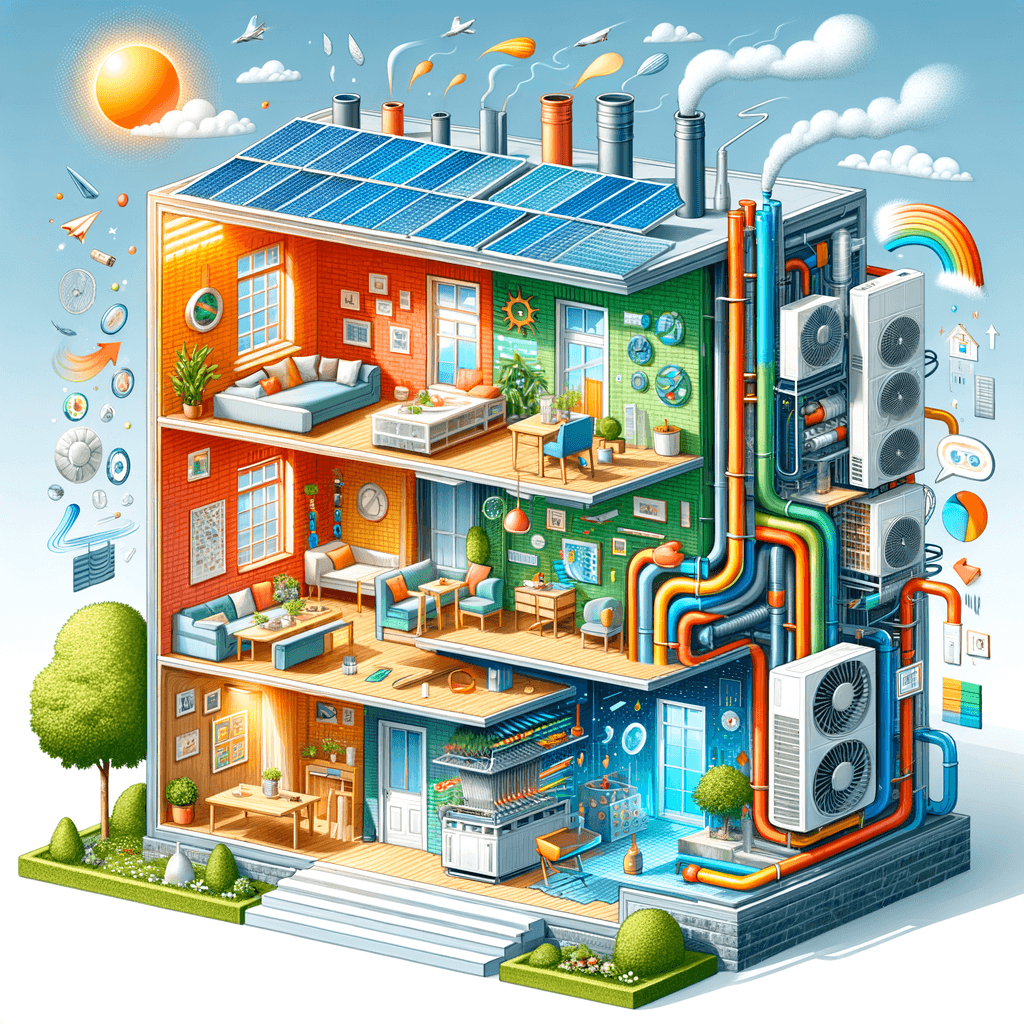
Insulation is often overlooked in discussions about air conditioning, yet it forms the backbone of an efficient cooling strategy. The thermal envelope—comprising walls, attic, floors, and windows—determines how much cooled air stays inside and how much heat infiltrates your living space. Without adequate insulation, even the most advanced air conditioning system struggles to maintain desired temperatures, leading to higher energy bills and reduced comfort.Types of Insulation and Their Performance in Cooling Applications
Not all insulation materials offer the same benefits for air conditioning. Their effectiveness is measured by R-value, which quantifies resistance to heat flow. Selecting the right type can drastically improve cooling performance and indoor comfort, especially in regions with extreme summer temperatures.- Fiberglass batts: Affordable and widely used, but prone to gaps and compression over time.
- Spray foam: Superior air sealing and high R-value, ideal for irregular spaces and attics.
- Rigid foam boards: Excellent for exterior walls and basement applications, minimizing thermal bridging.
- Cellulose: Eco-friendly and effective at filling wall cavities, but may settle over time.
Thermal Bridging: The Hidden Efficiency Killer
Thermal bridging occurs when conductive materials, such as metal studs or poorly insulated window frames, allow heat to bypass insulation layers. This undermines the overall effectiveness of your air conditioning system, as cool air escapes and hot air infiltrates through these weak points.“A well-insulated home is like a thermos—keeping the cool in and the heat out, regardless of the weather outside.”
How Proper Insulation Reduces Cooling Loads and Costs
When insulation is optimized, your air conditioner works less to maintain set temperatures. This translates to reduced wear and tear, longer system lifespan, and significant savings on monthly energy bills. By upgrading insulation, homeowners can often downsize their cooling equipment without sacrificing comfort.| Insulation Upgrade | Potential Cooling Energy Savings |
| Attic insulation (R-38+) | Up to 20% |
| Wall insulation improvement | 10-15% |
| Air sealing + insulation | Up to 30% |
Common Insulation Mistakes That Undermine Air Conditioning
Many homeowners make avoidable errors when adding or upgrading insulation, which can negate potential energy savings and comfort improvements. Awareness of these pitfalls is essential for maximizing your investment.- Ignoring air leaks around windows, doors, and duct penetrations.
- Using low R-value materials in high-heat areas like attics.
- Compressing insulation batts, reducing their effectiveness.
- Overlooking insulation around ductwork in unconditioned spaces.
Innovative Insulation Technologies Transforming Home Cooling
Emerging insulation solutions are redefining what’s possible for air conditioning efficiency. From phase-change materials that absorb and release heat to radiant barriers that reflect solar gain, homeowners now have access to advanced products that go far beyond traditional fiberglass batts.- Aerogel panels: Ultra-thin and highly effective for tight spaces.
- Reflective radiant barriers: Reduce attic temperatures by reflecting radiant heat.
- Vacuum insulated panels: Deliver exceptional R-values with minimal thickness.
“Insulation innovation is the silent partner in every high-performance cooling system.”
FAQs: Insulation and Air Conditioning Synergy
- How do I know if my insulation is adequate for efficient cooling?
- Can upgrading insulation really allow me to use a smaller air conditioner?
- What are the signs of thermal bridging in my home?
- Is spray foam safe and cost-effective for residential use?
- How often should insulation be inspected or replaced?