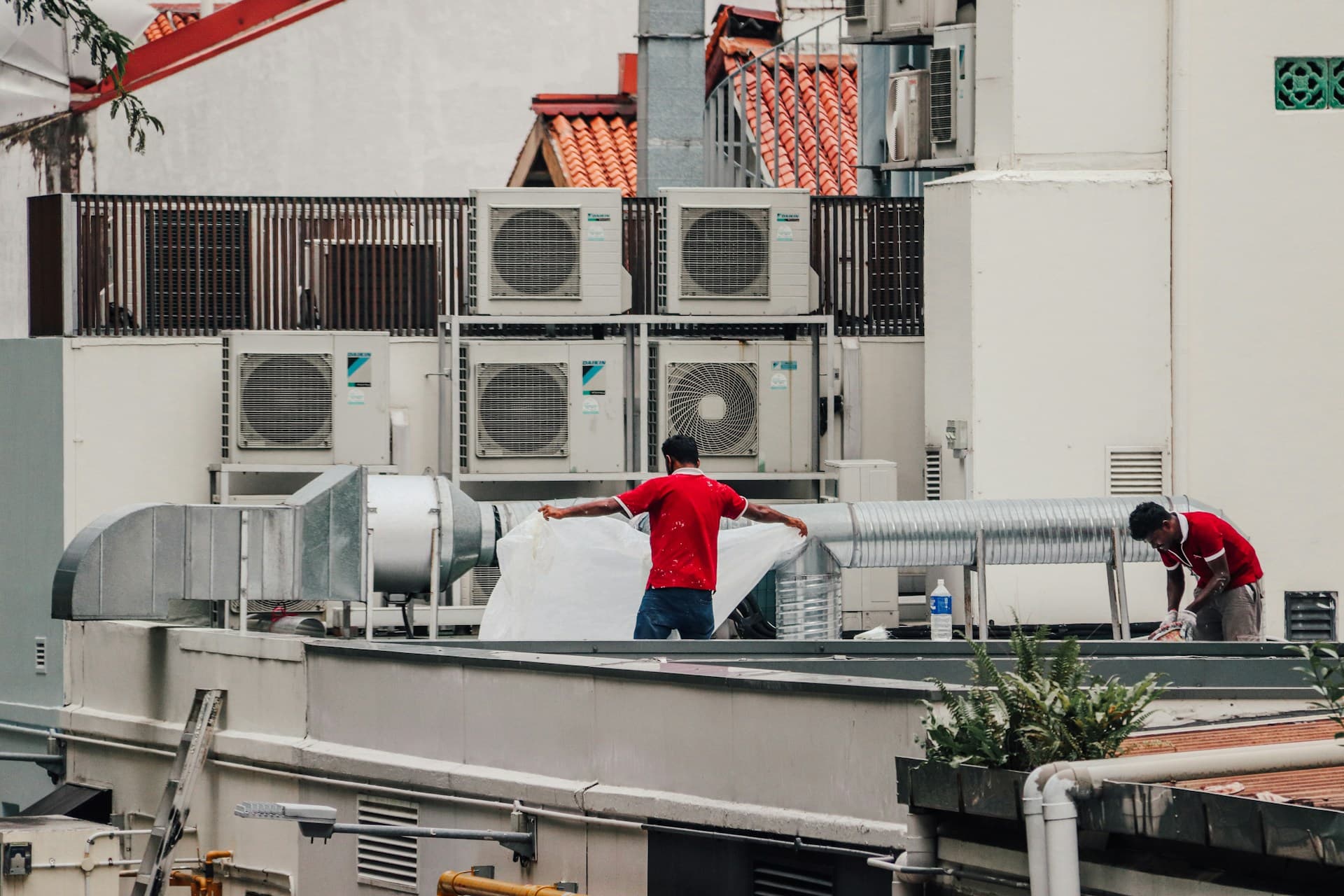
Optimizing Airflow and Ductwork: The Hidden Key to Air Conditioning Efficiency
By Total Care Air Conditioning Fri Jan 09 20268 minutes

Understanding the Importance of Airflow in Air Conditioning
Airflow is the lifeblood of any air conditioning system. Poor airflow can lead to uneven cooling, increased energy consumption, and premature equipment failure. Many homeowners overlook how crucial balanced airflow is to both comfort and efficiency. If your system struggles to maintain set temperatures or certain rooms feel stuffy, airflow issues may be to blame.“Efficient airflow is the foundation of both comfort and energy savings in modern air conditioning systems.”
Common Ductwork Problems That Undermine Performance
Ductwork, often hidden behind walls and ceilings, is a frequent source of inefficiency. Even with a high-SEER air conditioner, leaky, undersized, or poorly designed ducts can drastically reduce system effectiveness. Addressing ductwork issues is often the most cost-effective way to boost AC performance and indoor air quality.- Leaky ducts causing air loss and pressure drops
- Improperly sized ducts restricting airflow
- Sharp bends or crushed sections increasing static pressure
- Disconnected or poorly sealed joints leading to unconditioned air infiltration
Advanced Techniques for Optimizing Airflow
Optimizing airflow involves more than just replacing filters. A comprehensive approach includes assessing duct design, sealing leaks, and balancing the system. Professional tools like manometers and anemometers help diagnose static pressure and velocity issues, ensuring each room receives the right amount of conditioned air.- Conducting a room-by-room airflow audit
- Sealing duct joints with mastic or UL 181 tape
- Upgrading to high-efficiency, low-resistance air filters
- Installing adjustable dampers for precise air balancing
How Duct Design Affects Energy Efficiency
The configuration and materials of your ductwork play a major role in energy consumption. Smooth, insulated ducts with gradual turns minimize resistance and thermal losses. Retrofitting older systems with modern duct design principles can yield significant reductions in utility bills and improve overall system lifespan.| Duct Material | Thermal Loss | Resistance to Airflow |
| Flexible (Uninsulated) | High | High |
| Rigid Metal (Insulated) | Low | Low |
| Fiberglass Ductboard | Moderate | Moderate |
DIY vs. Professional Ductwork Optimization
While some airflow improvements—like filter replacement or vent cleaning—are manageable for homeowners, most ductwork issues require specialized expertise. Professionals use diagnostic equipment to measure static pressure, identify hidden leaks, and recommend tailored solutions that maximize efficiency and comfort.- DIY: Regular filter changes, vent dusting, and visible duct inspection
- Professional: Duct sealing, redesign, pressure testing, and system balancing
“A certified HVAC professional can reveal airflow problems invisible to the untrained eye, preventing years of wasted energy.”
Airflow Myths and User Mistakes
Misconceptions about airflow lead many homeowners to make costly errors. Blocking supply or return vents, using high-MERV filters without considering static pressure, or ignoring duct maintenance can all undermine system performance. Awareness is the first step toward smarter, more effective air conditioning.- Closing vents in unused rooms increases efficiency (it often raises static pressure instead)
- All air filters are equally effective (high resistance filters can choke airflow)
- Ducts never need maintenance if the AC works (hidden leaks and buildup are common)
The Future of Airflow Optimization: Smart Tech and Innovations
Emerging technologies are transforming how airflow and ductwork are managed. Smart vents, zoned systems, and real-time airflow sensors allow for unprecedented control and efficiency. These innovations not only improve comfort but also extend equipment life and reduce environmental impact.- Smart vent systems that automatically adjust airflow by room occupancy
- Zoned ductwork enabling individualized temperature control
- Wireless airflow sensors providing instant diagnostics
“The next generation of airflow optimization will blend intelligent automation with precision engineering for truly personalized comfort.”
FAQs: Airflow and Ductwork in Air Conditioning
- How often should ductwork be inspected for leaks?
- Can upgrading ducts really lower my energy bills?
- What are the signs of poor airflow in my home?
- Do smart vents work with older AC systems?